
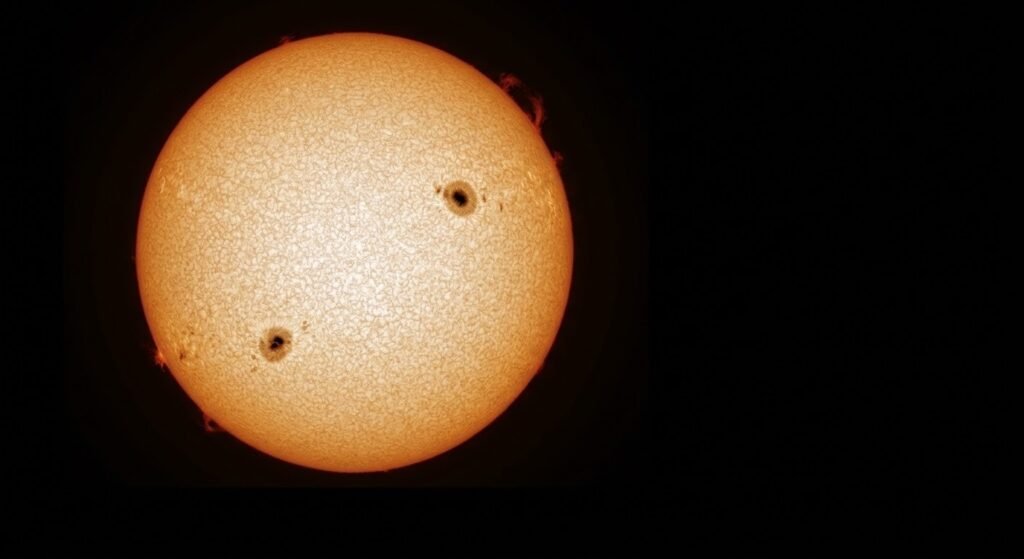
The Sun has collected a lot of names over the centuries. Some are old gods, some are Latin words that English still uses every day, and some are modern first names picked for babies and usernames. The trouble is that the names get blended together. Sol and Helios are not the same thing, and neither of them is what scientists call the Sun’s outer layers.
This guide sorts the names by where they came from and what each one is actually for. It covers the Greek and Roman names that show up in poetry, the science words built from the Sun’s name, and the first names that mean sun or light. It also settles whether Sol is a planet. A reader after one good word for a poem or a screen name can start with the classics and work down.
In this guide
- Sol, the Latin name behind the word solar
- Helios, the Greek god behind heliosphere
- Hyperion and Phoebus, names that sit beside Helios
- Sun names from other languages and older faiths
- Is Sol a star or a planet
- Science words that take their name from the Sun
- Names that mean sun or light for a baby or a username
- How to choose the name that fits
- Frequently asked questions
- What to take away
Sol, the Latin name behind the word solar
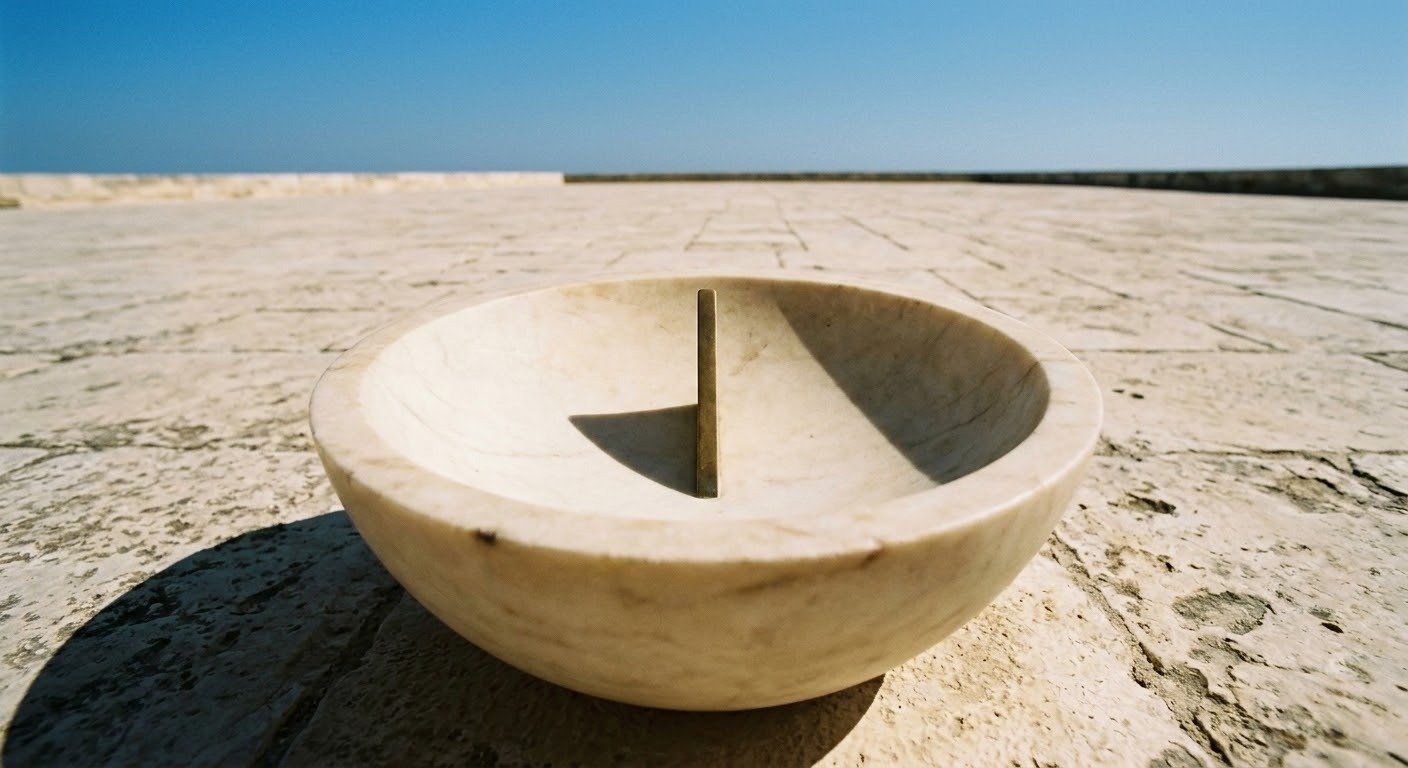
Sol is the shortest answer to the question, and the most useful one. Latin speakers used sol for the Sun, and NASA’s Sun facts page calls it the main source word for everything Sun-related in English. That is where solar comes from.
The word spread with the Romans and then survived in the languages that grew out of Latin. Modern speakers of Italian say sole, Portuguese and Spanish speakers say sol, Romanians say soare, and the French say soleil. Scandinavian languages kept the older root too. The Wikipedia article on Sol in Roman religion traces all of these back to a shared ancestor word.
In Roman religion Sol was not a word for a star. He was the personification of the Sun, treated as a god, with shrines and sacrifices of his own. One of his later titles, Sol Invictus, translates as “Unconquered Sun.” Scholars used to argue that Rome had two separate sun gods, an early one called Sol Indiges and a later Syrian one called Sol Invictus. Work since the mid-1990s has pushed back on that split, because the evidence for the cult runs through the whole Roman period.
Two everyday words keep the name alive in English. Sunday comes from Old English sunnandaeg, “day of the sun,” which translators borrowed from the Latin dies solis, itself a translation of a Greek phrase. And on Mars, a sol is a Martian solar day of about 24 hours and 39 minutes. NASA adopted the word during the Viking missions in 1976 and still uses it to schedule rover work. A sol is a unit of time, not another name for the Sun.
Helios, the Greek god behind heliosphere

Helios is the literary name. In Greek religion he personifies the Sun, and the word simply means “sun” in Greek. He crossed the sky each day in a chariot pulled by four horses. He also served as a witness to oaths, because he saw everything under daylight.
His family ties are neat and worth knowing. Helios was the son of the Titan Hyperion and the goddess Theia, and the brother of Selene, the Moon, and Eos, the Dawn. That is why a list of sun names often drifts into moon names. Selene means “moon” in Greek, and she is Helios’s sister rather than another sun figure.
Helios also left his mark on English science vocabulary. NASA points out that the sun god lends his name to terms such as heliosphere and helioseismology. Most people meet the name for the first time through the word heliosphere, which is the Sun’s magnetic bubble and gets its own section below.
Hyperion and Phoebus, names that sit beside Helios

Hyperion and Phoebus are not separate words for the Sun the way Sol and Helios are. They are titles and epithets, and they carry a different shade of meaning.
Hyperion comes from the Greek preposition hyper, meaning “over,” so the name translates roughly as “the one above.” He is a Titan who presided over the sun and light, and the father of Helios. In Homer’s writing the name is often paired with Helios as an epithet, which blurs the line between god and title even further. Helios also carries the epithet Phaethon, “the shining.”
Phoebus is a different case. It is the Latinized form of the Greek Phoibos, meaning “bright” or “pure.” It was an epithet of Apollo, not a sun god in its own right. Apollo’s own name is of uncertain meaning, and may not have any connection to the sun at all. The link developed later, when Apollo was read as a god of light, and Phoebus became his most widely used title among both Greeks and Romans.
Hyperion has also wandered far from the sky. The tallest known living tree is a coast redwood named Hyperion in Redwood National Park in California, discovered in 2006 and named after the Titan. The same park holds redwoods named Helios, Icarus and Daedalus, so one grove carries a whole Greek sky myth in its names.
Sun names from other languages and older faiths
Nearly every culture that has watched the sky for a long enough time gave the Sun a name. These are useful if you want something that carries real weight rather than a generic “sunny” feeling.
| Name | Language or tradition | What it means |
|---|---|---|
| Surya | Sanskrit | Sun, and the name of the Vedic god of the sun, who rides a chariot across the sky |
| Ravi | Sanskrit | Sun, and a Hindu god of the sun, sometimes equated with Surya |
| Inti | Quechua | Sun, and the name of the Inca god of the sun |
| Tonatiuh | Nahuatl | Sun, and the name of the Aztec sun god |
| Shamash | Akkadian | Sun, and the Akkadian, Assyrian and Babylonian name of the god Utu |
| Shams | Arabic | Sun, and the name of a pre-Islamic Arabian sun goddess, identified with Shamash |
| Sole | Italian | Sun, in the modern language |
| Soleil | French | Sun, in the modern language |
| Sol | Spanish and Portuguese | Sun, in the modern language |
The meanings come from Behind the Name, which traces the origin of individual first names and files each of these under the plain meaning “sun.” Its editors describe Surya as a god who rides a chariot, Inti as the son of Viracocha, and Shamash as the deity the Babylonians called Utu. These names carry a religious history rather than a generic glow.
Is Sol a star or a planet
Sol is not a planet. It is another name for a real star, and it is the only star in our solar system.
NASA describes the Sun as a 4.5 billion year old yellow dwarf star, a hot glowing ball of hydrogen and helium about 93 million miles from Earth. Its diameter is roughly 865,000 miles, and its gravity holds the solar system together. Eight planets, at least five dwarf planets and tens of thousands of asteroids orbit it. When someone uses Sol as the Sun’s name, they are naming a star. The word implies no planet of any kind.
One more detail worth knowing. The International Astronomical Union keeps a catalog of approved star names, and the Sun is not in it. Astronomers point at the Sun by its catalog designation or simply call it the Sun. That is why Sol reads as a literary and Latin choice rather than a technical one.
Science words that take their name from the Sun
Once you know that Sol and Helios are the sources, the science vocabulary stops looking arbitrary. Each term points at a specific layer or region.
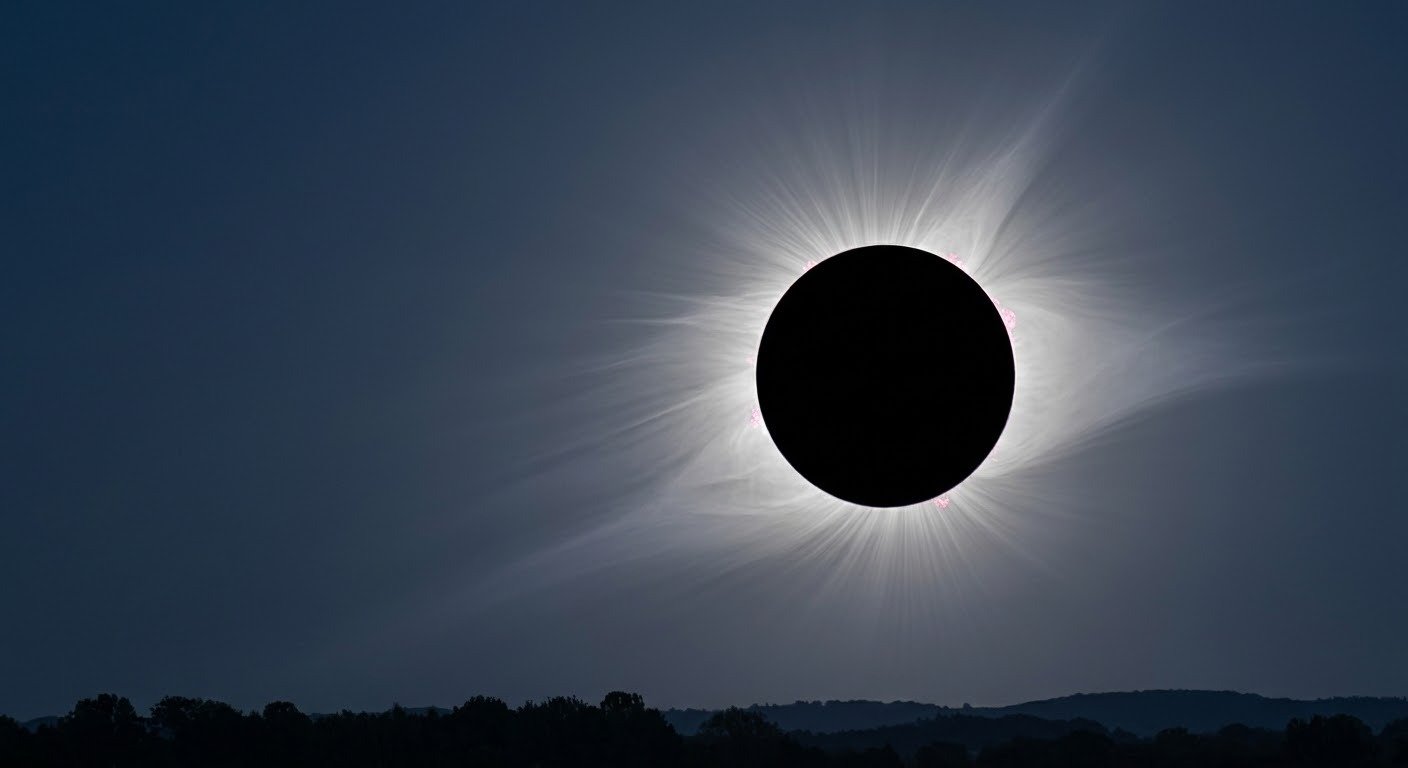
Photosphere means “light sphere” and is the layer we treat as the Sun’s surface, since the Sun has no solid one. NASA puts it at about 10,000 F. Above it sits the chromosphere, a thin layer, and above that the corona, which NASA calls the Sun’s expansive outer atmosphere. Corona means crown in Latin and Spanish, and during a total eclipse it does read as a pale white crown around the black disk.
The corona holds the strangest fact in this whole area. It reaches about 3.5 million F and gets hotter the farther it stretches from the surface, while the layers below it stay cooler. NASA lists that as one of the Sun’s biggest unsolved puzzles.
Past the corona, material leaves at supersonic speed and becomes the solar wind. That wind inflates a vast magnetic bubble called the heliosphere, and outside it lies interstellar space. NASA explains the word itself: heliosphere combines Helios, the Greek word for the Sun, with sphere, a broad region of influence. The bubble was discovered in the late 1950s, and its exact shape is still not settled. Voyager 1 left the heliosphere and entered interstellar space on Aug. 25, 2012.
The study of the Sun and everything it affects has its own name too. It is heliophysics, the field behind the spacecraft NASA lists as currently investigating the Sun, among them Parker Solar Probe and SOHO.
Names that mean sun or light for a baby or a username
Parents and screen-name hunters want something short, easy to spell and tied to light. Behind the Name files every name below under the plain meaning “sun.”
- Soleil. The French word for sun. The reference files it as a feminine name and notes it is not common inside France.
- Sole. The Italian word for sun, also filed as feminine.
- Sol. The Spanish and Portuguese word for sun, filed as feminine, and easy to type and spell in English.
- Solveig. Old Norse sol, “sun,” plus veig, “strength.” It is also the heroine of Ibsen’s play Peer Gynt.
- Solfrid. Old Norse sol, “sun,” plus fridr, “beautiful, beloved.” The name was coined in the 19th century, so it is modern by design.
- Sunniva. A Scandinavian form of the Old English name Sunngifu, “sun gift.”
- Solana. Spanish for a sunny spot, a place exposed to the sun.
- Marisol. A short form of María Soledad, and often read as María plus Sol, or as Spanish mar y sol, sea and sun.
- Helios. The Greek word for sun, filed as masculine, with a harder sound than the Romance options.
- Surya, Ravi, Inti and Tonatiuh. The Sanskrit, Quechua and Nahuatl names from the table above, all of them working as first names.
One interesting outsider is Elanor, which Behind the Name records as meaning “star sun” in Tolkien’s invented language. It is a fictional word, not an old one, and it is the only name in this group that no culture actually spoke.
One caution about this list. Behind the Name sorts names by meaning and origin. It does not publish the usage data that would let anyone honestly call one of them popular or trending right now. Pick by meaning and sound.
How to choose the name that fits
Name the job the word has to do, because the best answer changes with the purpose.
For a poem, a song or a piece of writing, Sol and Helios are the safest picks. They are short and readers recognize them without a footnote. Reach for Hyperion when you want height and distance rather than warmth, and for Phoebus when you want brightness without heat.
For a baby, check the meaning in the tradition it comes from before you fall for the sound. Inti and Tonatiuh are honored names from living religious traditions, not decorations. Soleil and Sol are the low-friction options, and Helios reads as more distinctive.
For a username, spelling is the deciding factor. Sol and Soleil type cleanly and say themselves out loud. Phoebus is seven letters long, and its pronunciation is not guessable from the spelling, so expect to spell it out.
For science writing, pick the specific term. Photosphere, chromosphere, corona and heliosphere each name a different region, and using “atmosphere” for all four loses information. Save Sol for the whole star.
Frequently asked questions
What is the most common other name for the Sun?
Sol. It is the Latin word for the Sun and the source of solar, and it is short enough to work anywhere. Helios is the second answer, and it is the one poets reach for.
Is Sol a real star or a made-up name?
Sol is a real word for a real object. The Sun is a yellow dwarf star about 4.5 billion years old, and NASA confirms it is the only star in the solar system. Sol names that star rather than describing it.
What is the difference between Sol and Helios?
Sol is Latin and Helios is Greek. Sol was a god in Roman religion. Helios was a god in Greek religion, where his name simply means “sun.” English kept Sol in words like solar and Helios in words like heliosphere.
Is Helios the same as Apollo?
No. Apollo was originally a deity of radiant purity rather than a sun god, and his own name has no settled meaning. The two were identified with each other in later Greek religion, which is why Phoebus, Apollo’s epithet for “bright,” turns up in solar contexts.
What does corona mean?
The word means “crown” in Latin and Spanish. The corona is the Sun’s outer atmosphere, the large region above the chromosphere, and it looks like a crown during a total solar eclipse.
What is a heliosphere?
It is the magnetic bubble around the Sun, inflated by the solar wind. Everything inside it is dominated by the Sun’s magnetic field and particles, and everything outside is interstellar space.
What does Hyperion mean?
It comes from the Greek hyper, “over,” so it translates roughly as “the one above.” It names a Titan who presided over the sun and light. It is also an epithet used alongside Helios in Homer.
Can Sol work as a name for a baby?
Yes, and the reference treats it as a feminine first name in Spanish and Portuguese. Soleil and Sole are the French and Italian versions of the same idea, and Solveig, Solfrid and Sunniva all carry the sun in their roots.
What to take away
There is no single right answer here, because “another name for the Sun” covers three different things. Sol is the Latin word that English built solar on. Helios is the Greek god of the Sun and the root of heliosphere. Hyperion and Phoebus are epithets that sit beside Helios rather than replacing him. The rest of the science vocabulary, from photosphere to corona, names the Sun’s layers by what they do.
Pick the one that matches the job. Use Sol and Helios in writing, and the specific term in science. Use a name like Soleil, Solveig or Inti when you want light attached to a person.