

If a bottle or a pharmacy printout says Levaquin, the generic name you are looking for is levofloxacin. Levaquin is the brand. Levofloxacin is the same active ingredient sold under its own name. The FDA requires both names on the label.
This guide covers where each name shows up, what the FDA has approved levofloxacin to treat, and why the FDA now holds this antibiotic back for three common infections. You will also find what the boxed warning says and which medicines and supplements interfere with it. It states no dosing advice, and your own prescription belongs with your doctor or pharmacist.
In this guide
- Levaquin and levofloxacin: which name is which
- What levofloxacin is and how it works
- What the FDA has approved levofloxacin to treat
- Why the FDA reserved this drug for three infections
- The boxed warning, one risk at a time
- Other warnings worth knowing
- Other drugs, antacids, and supplements
- Questions to ask your pharmacist
- Frequently asked questions
Levaquin and levofloxacin: which name is which

The brand-name label on DailyMed lists itself as LEVAQUIN (levofloxacin) tablet, film coated. Brand name first, generic name in parentheses. The current generic label sits beside it on the same site as LEVOFLOXACIN (levofloxacin) tablet, film coated. A different company publishes that one, and it is marked as revised in July 2024.
| What you might see | What it means |
|---|---|
| Levaquin | The brand name |
| Levofloxacin | The generic name |
| Levaquin (levofloxacin) | Brand label, both names printed |
| Levofloxacin tablets, USP | Generic tablet listed by its generic name |
| Levaquin oral solution, 25 mg/mL | The liquid form of the same drug |
| Levaquin injection | The IV form, in hospitals |
Levaquin also comes as an injection and an oral solution. All three forms are levofloxacin. If your search results mix tablets, a liquid, and an IV bag, you are looking at the same drug in different forms rather than three different medicines.
Generic levofloxacin is what most people receive now, and the brand still fills prescriptions. What differs between brand and generic is the inactive ingredients, the tablet’s shape and color, and the imprints pressed into the pill. The strength and the active ingredient are the same.
What levofloxacin is and how it works
Levofloxacin is a fluoroquinolone antibacterial. The label describes it as a synthetic broad-spectrum antibacterial for oral and intravenous use. It is the pure (-)-(S)-enantiomer of ofloxacin, an older related drug. The class also includes ciprofloxacin (Cipro) and moxifloxacin (Avelox).
The drug attacks bacterial DNA. Its target is the enzyme pair bacteria use to copy DNA, called DNA gyrase and topoisomerase IV. Blocking those enzymes stops bacteria from reproducing.
Antibiotics do not touch viruses. Levofloxacin will not treat a cold, the flu, or most sore throats.
What the FDA has approved levofloxacin to treat
The current label’s indications section lists a long set of bacterial infections. Approved does not mean recommended for everyone. It means the FDA found the drug worked for that infection and that its risks were acceptable in people who needed it.
- Pneumonia. Nosocomial pneumonia, meaning pneumonia picked up around a hospital stay, plus community-acquired pneumonia under two different regimen lengths.
- Skin and skin structure infections. Both complicated, meaning deeper or more serious, and uncomplicated, meaning mild to moderate abscesses, cellulitis, boils, impetigo, and wound infections.
- Prostatitis. Chronic bacterial prostatitis, an infection of the prostate that can linger and come back.
- Urinary tract infections. Complicated urinary tract infections on two regimen lengths, acute pyelonephritis, which is an infection of the kidney, and uncomplicated urinary tract infections.
- Sinus and airway infections. Acute bacterial sinusitis and acute bacterial exacerbation of chronic bronchitis. Both carry a restriction, covered below.
- Anthrax and plague. Inhalational anthrax after exposure and plague, including pneumonic and septicemic plague, plus plague prevention.
The label also sets a limit on the whole label. Levofloxacin should only be used to treat or prevent infections proven or strongly suspected to come from susceptible bacteria. That instruction exists to slow resistance.
One more boundary. The label says the safety of levofloxacin in adults for courses beyond 28 days has not been studied. Prolonged therapy should be used only when the benefit outweighs the risk.
Why the FDA reserved this drug for three infections
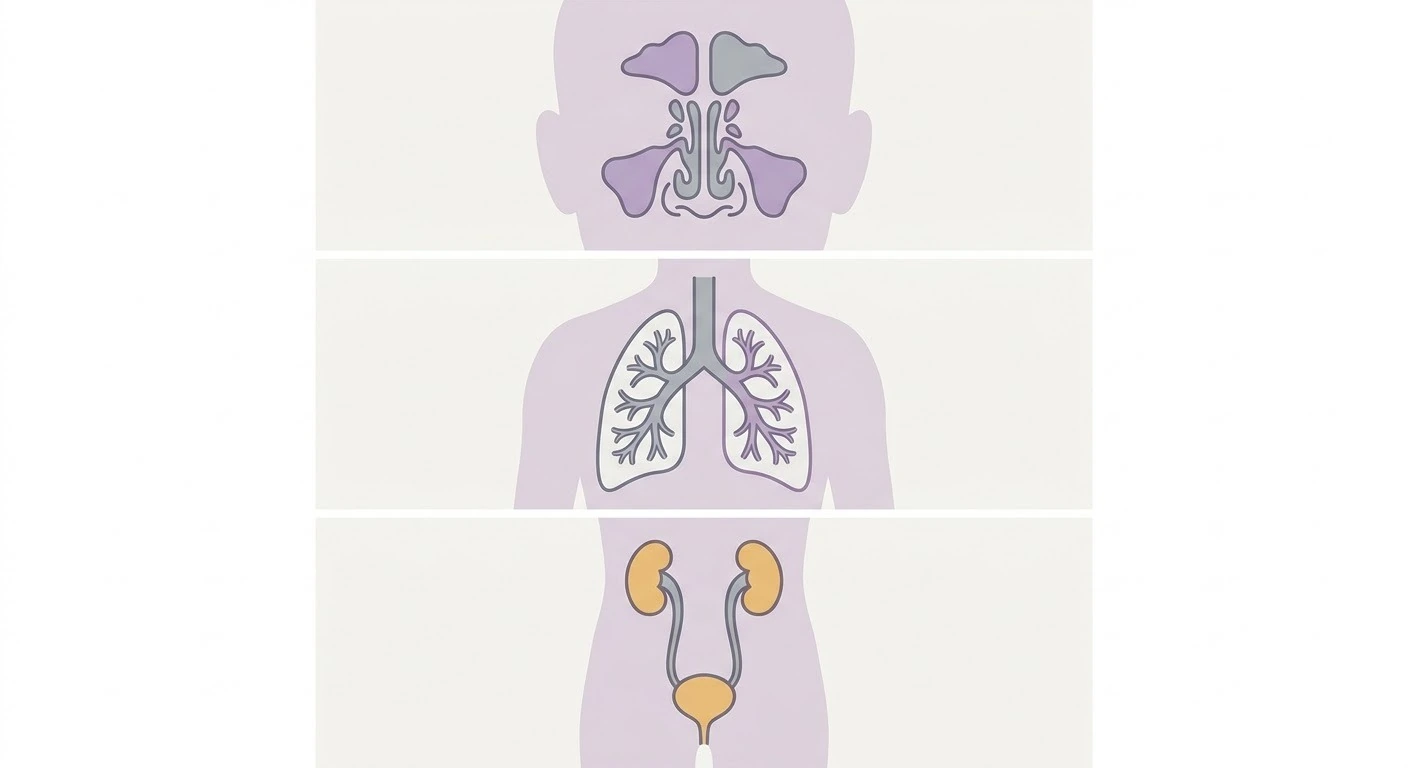
Levofloxacin has a boxed warning, which is the strongest warning the FDA requires. Because of that warning, the label reserves levofloxacin for patients who have no alternative treatment options in three cases:
- Uncomplicated urinary tract infections
- Acute bacterial exacerbation of chronic bronchitis
- Acute bacterial sinusitis
The label’s own reasoning appears in each of those three sections. For some patients, each of these infections is self-limiting, meaning it clears on its own. When that is true, the risk of a disabling side effect outweighs a benefit that may arrive anyway.
This is the part most people have not heard explained, so it is worth being plain about it. A fluoroquinolone is a powerful antibiotic, and the FDA decided it should not be the automatic choice for three milder, often self-clearing infections when something else works. For serious bacterial infections such as pneumonia, anthrax, and plague, the FDA has said the benefits still outweigh the risks, so the drug stays an option there.
The boxed warning, one risk at a time

The current label’s boxed warning opens with a headline naming the serious reactions: tendinitis and tendon rupture, peripheral neuropathy, central nervous system effects, and exacerbation of myasthenia gravis. The FDA’s machine-readable copy of that same warning confirms the wording across labelers.
The important detail in the headline is that the label calls these disabling and potentially irreversible, and says they can happen together in the same person.
Tendon pain and tendon rupture
Tendon risk runs highest in people usually over 60, in people taking corticosteroid drugs, and in people with kidney, heart, or lung transplants. Pain, swelling, or inflammation in a tendon, especially at the back of the ankle or the shoulder, is the sign to act on. The label says to discontinue if it occurs. An Achilles tendon rupture is the outcome most people picture.
Peripheral neuropathy
Nerve symptoms in the arms or legs, described as numbness, tingling, or a pins-and-needles feeling, are the warning. The brand label’s instruction is specific: discontinue if symptoms occur in order to prevent irreversibility. Once the nerve damage sets in, it may not come back.
Central nervous system effects
The current label lists increased risk of seizures, increased intracranial pressure including pseudotumor cerebri, tremors, and lightheadedness. The brand label’s summary section adds convulsions, anxiety, confusion, depression, and insomnia, and notes these can occur after the first dose. The label advises caution in people with a known central nervous system disorder that predisposes them to seizures. That caution also covers people who take medicines or have kidney problems that lower the seizure threshold.
Myasthenia gravis
If you have myasthenia gravis, the label says avoid levofloxacin. Fluoroquinolones have neuromuscular blocking activity and can make muscle weakness worse. The label records postmarketing reports including deaths and the need for ventilatory support.
Aortic aneurysm and dissection
Epidemiologic studies report an increased rate of aortic aneurysm and dissection within two months following fluoroquinolone use, particularly in elderly patients. The label says the cause has not been identified. In people who already have an aortic aneurysm or who are at higher risk of one, the label reserves levofloxacin for cases where no alternative antibacterial treatment exists. It also tells patients to seek emergency care for sudden chest, stomach, or back pain.
Other warnings worth knowing
A heart rhythm called the QT interval
The label reports QT interval prolongation on the electrocardiogram and infrequent arrhythmia. Rare cases of torsade de pointes have been reported after marketing. It says to avoid levofloxacin in people with a known prolonged QT interval, in people with uncorrected low potassium, and in people taking Class IA antiarrhythmics such as quinidine or procainamide. The same advice covers Class III antiarrhythmics such as amiodarone or sotalol. The label adds that older adults may be more susceptible. If you have ever been told you have a heart rhythm problem, mention it before this antibiotic gets prescribed.
Liver injury
The label reports severe and sometimes fatal hepatotoxicity, and says to discontinue immediately if signs and symptoms of hepatitis appear. Fatigue, nausea, right-sided upper abdominal pain, dark urine, or yellowing of the skin or eyes are the symptoms worth reporting.
Tendon, nerve, and rhythm warnings are not only for older adults
Two separate labels describe the reaction pattern differently but consistently. The brand label frames it as increased risk of tendinitis and tendon rupture at all ages, higher in older people. The current generic label frames the whole set as disabling and potentially irreversible reactions that have occurred together. If you are under 60 and on no steroids, you are not at zero risk.
Reactions to look for fast
The label says anaphylactic reactions and allergic skin reactions can happen after the first dose and be serious and occasionally fatal. Breathing trouble, facial swelling, or a spreading rash needs emergency care, not a next-day call.
Other drugs, antacids, and supplements
Some things you take can quietly block this antibiotic from being absorbed. The drug interactions section on both labels is specific about what to keep apart and for how long.
Antacids, sucralfate, iron, zinc, and didanosine. The label says these may substantially interfere with gastrointestinal absorption of levofloxacin, leaving levels considerably lower than desired. The instruction is to take them at least two hours before or two hours after the antibiotic. The same two-hour separation applies to multivitamin preparations containing zinc. This is the interaction most likely to be missed, because none of these products looks like a medicine that would matter.
Warfarin and other blood thinners. The label says levofloxacin may enhance the effect of warfarin. It tells prescribers to monitor the prothrombin time and INR and watch for bleeding. If you take a blood thinner, name it when the antibiotic is prescribed.
Diabetes medicines. The label advises careful monitoring of blood glucose when you take antidiabetic agents alongside levofloxacin.
NSAIDs and seizures. The brand label’s patient information says taking an NSAID while on levofloxacin or another fluoroquinolone may raise the risk of central nervous system effects and seizures. Many common pain relievers are NSAIDs, including ibuprofen and naproxen.
Fluids. The label tells patients to drink fluids liberally to avoid highly concentrated urine and crystal formation. That advice applies to anyone who has ever passed kidney stones.
Neither label names dairy or calcium. Calcium-rich foods and supplements raise the same kind of absorption question, but the printed timing rule covers antacids, sucralfate, metal cations such as iron, and multivitamins with zinc. If you take calcium supplements, ask your pharmacist for a specific answer rather than guessing. Do not stop a prescribed supplement on your own.
Questions to ask your pharmacist
Pharmacists answer labeling questions all day. Bring the bottle or the printout and you can check the name yourself in under a minute, then ask about anything unclear.
- Confirm the name. Can you check that what I picked up matches what was prescribed, and whether this is brand or generic?
- Check the timing. I take an antacid, an iron supplement, and a multivitamin. When should each be taken around this antibiotic?
- List your medicines. I take a blood thinner and a blood pressure medicine. Any problem with those?
- Check the risk factors. Do I have anything in my history that makes the tendon or nerve warnings more relevant for me?
- Ask about timing. How long should I keep taking it, and what should make me call before the course ends?
- Ask what to watch. Which symptoms should send me straight to urgent care rather than to the office?
- Ask about reporting. If something does happen, can I report it to the FDA through MedWatch?
The MedWatch route matters for a drug with a boxed warning. Reports from patients build part of the safety record that later label changes rest on.
Frequently asked questions
What is the generic name for Levaquin?
Levofloxacin. Levaquin is the brand name that Janssen brought to market, and levofloxacin is the generic name for the same active ingredient. The FDA’s current levofloxacin labeling identifies it as a fluoroquinolone antibacterial.
Are Levaquin and levofloxacin the same drug?
Yes. Both names refer to levofloxacin. A brand tablet and a generic tablet of the same strength deliver the same amount of active drug. What differs is the inactive ingredients and how the pill looks.
Is Levaquin still being prescribed?
Yes, the brand product remains on the market, and most prescriptions today are filled with generic levofloxacin from multiple manufacturers. If your pharmacy substituted the generic, that is normal and expected.
What class of antibiotic is levofloxacin in?
It is a fluoroquinolone antibacterial. The class includes ciprofloxacin and moxifloxacin. The label describes levofloxacin as a synthetic broad-spectrum antibacterial available in oral and intravenous forms.
Why did the FDA limit which infections get this drug?
For uncomplicated urinary tract infections, acute bacterial exacerbation of chronic bronchitis, and acute bacterial sinusitis, the FDA found the risk of disabling and potentially irreversible side effects generally outweighs the benefit. That judgment holds especially when the infection is self-limiting. The label directs prescribers to reserve levofloxacin for patients with no alternative treatment options.
Should I be worried about my tendons?
Raise it with your doctor or pharmacist, especially if you are over 60, take corticosteroid drugs, or have a kidney, heart, or lung transplant. Those are the risk factors the label names. Tendon pain or swelling during a course is a reason to contact your prescriber promptly rather than to wait it out.
Can I take Levaquin with an antacid?
Not at the same moment. The label says antacids containing magnesium or aluminum, sucralfate, metal cations such as iron, and multivitamins with zinc should be taken at least two hours before or two hours after the antibiotic, because they reduce how much of it gets absorbed.
What if my symptoms are not improving?
Call your provider. The Levaquin medication guide says to call if you think your condition is not getting better while taking it. If you want to stop early, that is a decision for your doctor or pharmacist, and it may mean choosing a different antibiotic to finish the course.
The generic name for Levaquin is levofloxacin, and both names lead you to the same FDA-approved label. That label is longer and blunter than most people expect. It reserves this antibiotic for situations without a good alternative, and its boxed warning covers tendon rupture, nerve damage, seizures, worsening myasthenia gravis, and aortic aneurysm risk. Knowing the name gets you through the pharmacy line. Knowing the warning is what helps you decide the questions worth asking. Confirm what you actually hold with your doctor or pharmacist, and take no dose advice from anyone but them.