

Naming a fox is trickier than it sounds. A fox shows up with copper fur or snowy white, so you reach for Ember or Blizzard, and both are taken by dogs. Or you want something clever and land on a pun nobody else gets.
Most people searching this are naming one of four things: a real fox they legally keep, a fox character in a story or game, a fox for cosplay and photos, or a plush toy for a kid with firm opinions. All four need a name that fits the animal’s personality, survives being called across a yard, and still sounds good six months later. Below are names sorted by where they come from, how to pick one, and what to check first if you mean a live animal.
In this guide
- Traditional fox words worth borrowing
- Cute fox names
- Funny fox names
- Names from fox folklore and legend
- Names that match how foxes look and move
- Short names you can call across a yard
- Themed names from books, film, and games
- How to pick the name your fox will answer to
- If you mean keeping a real fox
- Questions readers ask
- The short version
Traditional fox words worth borrowing
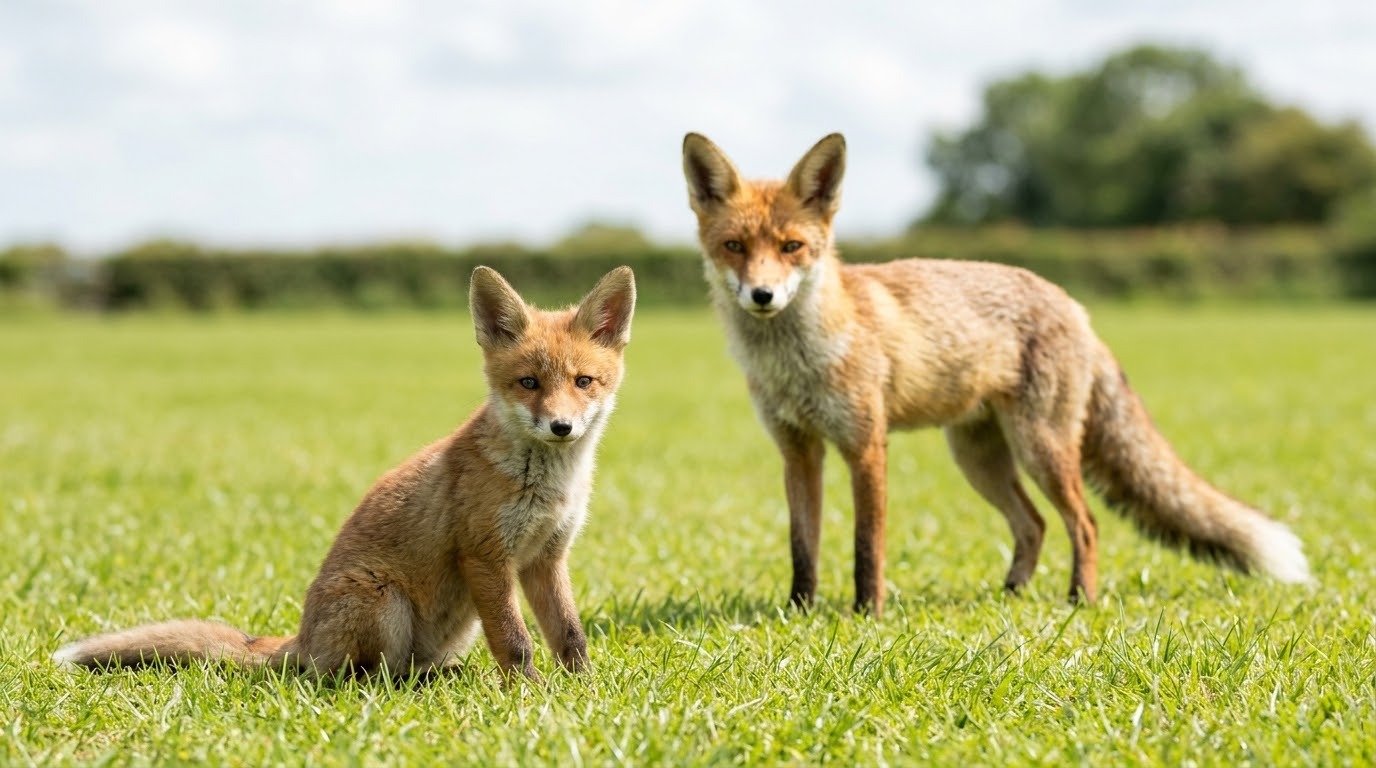
English has real vocabulary for foxes, and it is oddly rich. Male foxes are called dogs or tods, females are vixens, and the young are cubs, pups, or kits. A group of foxes is a skulk, a leash, or an earth. Wiktionary and Wikipedia both lay this out.
These words make good names because nobody has to guess what you meant.
- Tod. A male fox, and the old Scottish word for a fox generally. Short and slightly literary.
- Dog Fox. Plainly descriptive and more unusual as a name than it looks.
- Vixen. A female fox. The Cambridge entry also lists an old-fashioned insulting sense for an unpleasant woman, so skip it for a child.
- Kit. Short and cheerful for a young fox. One trap: the kit fox is a separate small species, so Kit confuses people who know their foxes.
- Cub. Warmer and more familiar. Pairs well with Kit.
- Renard. The Old French word that replaced goupil as the ordinary French term for fox, which happens when a character becomes famous enough. See the Online Etymology Dictionary.
- Goupil. The older French word. Obscure in a good way, and it suits a character who reads like an antique.
- Vulpes. The Latin genus name. Sounds like a team or a perfume.
- Vulpine. An adjective in English, so it needs an animal behind it.
- Skulk. One of the three group words. Nobody uses it, which is why it works.
- Leash. Another group word, and the gentler of the two animal ones.
- Earth. The third. Short and earthy.
One warning on the word fox itself. In US slang, as the Cambridge Dictionary notes, it can mean a sexually attractive woman. Fine for a fox character. Skip it for a child’s pet or anything with your name on it.
Cute fox names
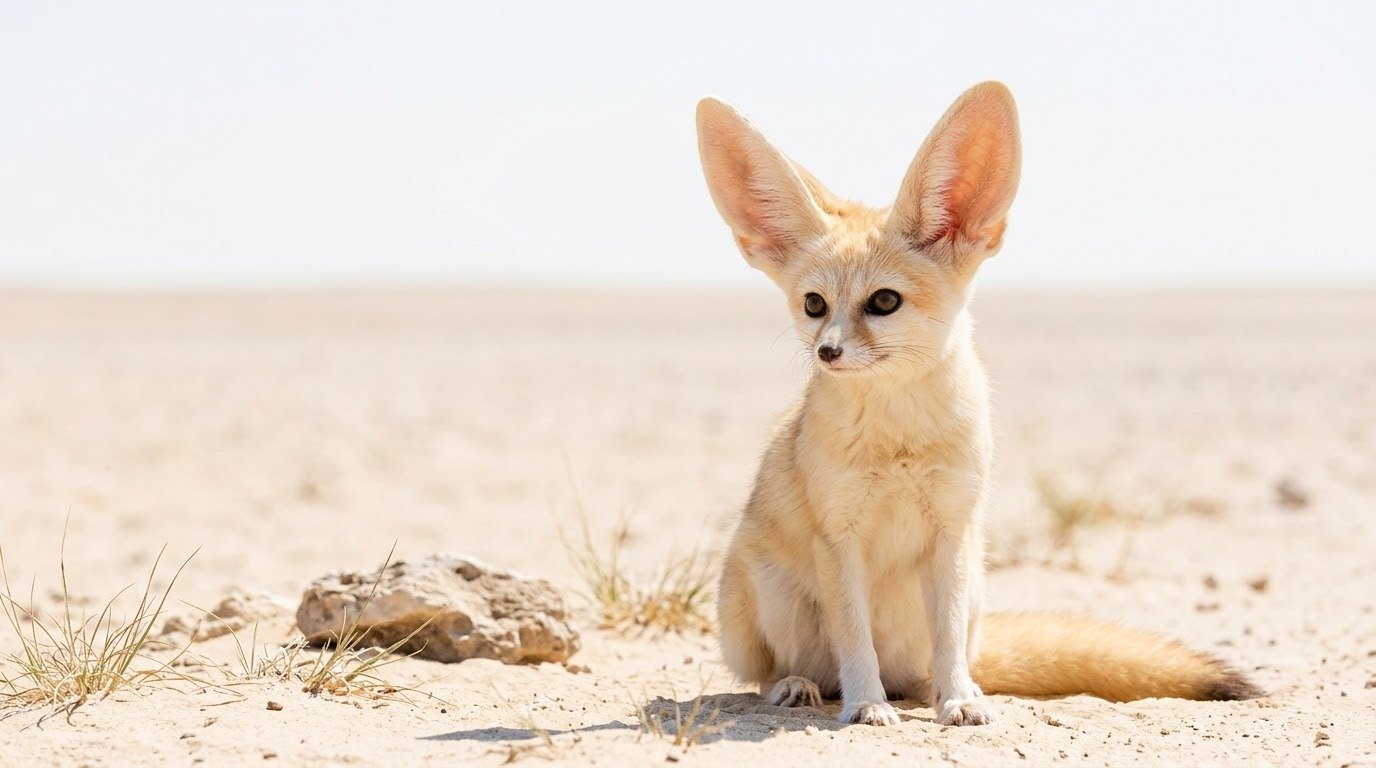
For a fennec with oversized ears, or a kit with all four legs and no dignity yet.
- Pip. Two syllables, one hard consonant, easy to say at speed.
- Mochi. Soft-sounding, so it reads as gentle instantly.
- Moxie. Energetic without being sharp. Good for a bold kit.
- Toffee. Warm brown tones that echo the fur.
- Nibble. Implies small teeth and a habit of stealing crumbs.
- Peaches. Gentle, with that orange-tinged warmth in the sound.
- Plum. Short and round, with a deep color under the sweetness.
- Juniper. A nature name that avoids the expected Rose and Daisy.
- Maple. Coppery, and easy for a child to spell.
- Biscuit. Cozy and slightly scruffy.
- Nutmeg. Warm, small, a bit of a rascal.
- Snowdrop. Works for a white or silver fox, and it is also a real flower.
- Button. Tiny and neat. Fine for a small fox or a plush.
- Marzipan. Silly and sweet rather than precious.
- Thistle. Keeps the softness but adds some spine.
Funny fox names
Foxes are smug, which is the whole joke. Lean into it.
- Yelp. On-theme, painfully accurate, two hard syllables.
- Digger. Half of what a fox does in a yard.
- Bandit. Heist energy, and it fits the sly reputation without being mean.
- Muzzle. Funny when said out loud, which is the test that matters.
- Waffles. A floppy-eared fennec named Waffles is an instant scene.
- Hairy Potter. Only if your fox really is that furry. Try it out loud first.
- Count Grapes. For the one who looked and decided against.
- Sir Sniffs. Old-fashioned courtesy for a nose that leads the hunt.
- Sir Pounce. Formal title, cat-style attack. Suits a clever fox.
- Fox Sparrow. A bird name that happens to contain the animal.
- Burglar. Slightly scruffy, good for one that raids the compost.
- Dramamine. For the kit who bounds at nothing at two in the morning.
- Two-Tails. Myth flavor, and it needs a story behind the extra tail.
- Sour Grapes. The Aesop ending as a full name. It lands instantly.
Names from fox folklore and legend
These carry real meaning, which makes them the most interesting section here. Two traditions dominate: Britannica describes Reynard as the sly, amoral, cowardly hero of medieval European animal tales who symbolizes craft over brute strength, and Britannica on the kitsune covers the Japanese trickster foxes, a kind of yokai famous for changing shape.
- Reynard. The obvious pick, and still the strongest. Use it when you want the clever trickster rather than the cute animal.
- Reynardine. A real word meaning fox-like, and a pale yellowish color. One letter from Reynard, so nobody hears the difference.
- Kitsune. The Japanese word for fox spirit. Widely recognized and easy to say.
- Kuzunoha. The long-nosed woman of Japanese myth who is a fox in disguise.
- Tamamo. Tamamo-no-Mae, the fox woman from the tale of the drowned priest. Spooky in a good way.
- Kumiho. The Korean nine-tailed fox. Spare and easy for beginners.
- Huli Jing. The Chinese fox spirit, often portrayed as needing centuries to become powerful.
- Teumessian. The full-blooded wild fox of Greek myth, distinct from the shape-shifting half-fox.
- Nine Tails. Works for a legendary character, less so for a pet.
- Inari. The deity whose white foxes serve as messengers.
- Brer. From the Uncle Remus stories, where Brer Fox is sly, clever, and usually the smartest person in the story.
- Reddy. The hero of Thornton Burgess’s stories. Old-fashioned American and instantly recognizable to anyone who grew up reading.
Names that match how foxes look and move
Real foxes vary more than most people expect. The red fox is the largest of the true foxes and spreads across the Northern Hemisphere, yet it still produces silver and black individuals alongside the usual auburn. Coat colors run from pearly white to black-and-white, desert foxes grow huge ears to shed heat, Arctic foxes wear thick fur with tiny ears, and the classic red fox tail ends in a white mark. Match the name to your fox, not to how you assume foxes look.
- Ember. For a red fox seen at dusk, when the coat catches the last light.
- Rusty. Plain and warm, close to the real color.
- Copper. Sharper and brighter than Rusty.
- Auburn. The word dictionaries actually use for that coat.
- Sable. Dark brown to black, and a real fur term.
- Silver. For the pale or silver individual.
- Midnight. For a black fox at night, which is when you will mostly see it.
- Snowtip. Points at the white mark on the tail.
- Blaze. Bright and fast, and it works for a wild sighting.
- Dash. For the run-then-vanish style.
- Pounce. What foxes actually do when they commit to a jump.
- Whisker. Simple, and no fox is short on whiskers.
- Slink. Fits the low, silent walk along a fence line.
- Briar. For the fox that lives along the hedgerow.
Short names you can call across a yard
Short names win in real life. VCA Animal Hospitals recommends two syllables or fewer, and notes that for dogs a hard consonant at the start and a vowel at the end can be easier to hear. A fox spends its life outside, and being heard matters more than being literary.
- Ren. Short for Reynard, and easy from a distance.
- Rey. Same idea, a touch softer.
- Vix. The opening of vixen, in two hard consonants.
- Snap. Energetic and audible.
- Zig. Fast and memorable.
- Jinx. A little troublemaker, which fits.
- Rocket. Plain speed. It reads as a dog name, and that is fine.
- Flea. Fast, small, hard to catch.
- Pepper. Warm, short, easy to yell.
- Scout. Good for a fox that ranges wide.
- Skip. Light on its feet.
- Zip. Very short and very sharp.
- Tango. Two clean syllables with a real rhythm.
- Rogue. Independent. Best for an animal nobody can contain.
Themed names from books, film, and games
If the fox exists on a page or a screen, borrow from there. Wikipedia’s list of fictional foxes is a good place to browse. One practical note: character names from big studios are usually trademarked, so use them for fan projects rather than for a business.
- Vuk. From the Hungarian novel by Istvan Fekete, about an adult fox. Old European and full of character.
- Finnick. A fennec in Disney’s Zootopia. Warm, modern, instantly fox-adjacent.
- Nick. Nick Wilde’s first name, from the same film. Friendly and clever-sounding.
- Wilde. The surname of the same fox. Slightly more grown-up.
- Vixey. From Disney’s The Fox and the Hound. Bright and close to vixen.
- Swiper. The sneaky fox from Dora the Explorer. Good for a troublemaker in a kids’ project.
- Foulfellow. The sly fox from Pinocchio. Wonderful for a villain with plans.
- Fink. The pink fox from The Wild Robot. Short, odd, modern.
- Delilah. The fox from the animated series Angela Anaconda.
- Zorro. Not a fox, but everyone hears fox, and it fits a masked midnight character.
How to pick the name your fox will answer to

Picking well beats picking fast. The ASPCA’s naming guidance comes from a shelter naming nearly 4,000 animals a year, and it asks for names that are easy to pronounce, three syllables or fewer, relatable to the people who will hear them, and simple to remember. Gail Buchwald, a senior vice president at the ASPCA Adoption Center, adds that they avoid names evoking aggressive imagery and prefer names that present the animal as a new member of the household.
Five practical steps:
- Watch first. Give it a week if you can. Foxes are predictable, noisy, and hungry at set times, and the honest name arrives when the routine shows up.
- Say it out loud, fast, and from across a room. Names fall apart when shouted. Also test it in an angry tone, which you will use.
- Check the sound-alikes. VCA suggests avoiding names that resemble a command or a family member’s name. Foxes are not dogs, but you are, and you will shout at 6 a.m.
- Skip aggressive wording. Mordant, Killer, and Savage sound like problems waiting to happen, and neighbors will read them that way.
- Hold a shortlist for a week. Write down six. Say each one ten times. One will start sounding like a name you chose instead of one that happened to you.
If you mean keeping a real fox

Check the law before you check the name. Rules vary by city, county, and state, and the World Wildlife Fund notes that in some states and municipalities keeping a fennec is illegal or requires permits.
Two examples show how specific this gets. In Florida, the Florida Fish and Wildlife Conservation Commission lists the fox among Class III wildlife, which requires a personal pet permit before you take possession. That permit covers your address, travel, and vet visits, but taking the animal into public needs a separate exhibition permit. Injured, orphaned, or abandoned native animals are never eligible as pets. Pennsylvania goes further, listing red and gray foxes among wild animals that cannot be imported, possessed, sold, or released without Department of Agriculture licensing.
Your state wildlife agency is the only authority that settles your situation. A county ordinance or a landlord can be stricter than the state, so check both before the animal comes home.
Questions readers ask
What is a good name for a male fox?
Tod is the traditional word, and Dog Fox is a plainer alternative. Reynard works when you want the clever trickster rather than the animal. For a character who is small, fast, and thinks he is the smartest one in the room, Ren or Zig lands better than anything formal.
What is a good name for a female fox?
Vixen is the correct term but carries an insulting second sense, so use it for an adult character rather than a child’s pet. Tamamo and Kuzunoha are strong for folklore characters. For a real fox, Juniper, Moxie, and Pepper are safe, warm, and easy to call.
What should I name a fox kit?
Short and funny wins, because a kit is clumsy and will offend things. Pip, Cub, Button, Bumble, Waffles, and Digger all work at that stage. Keep it to one or two syllables so you can change it later, since VCA notes that renaming is normal and easy in the first weeks.
What is a cute name for a fox?
Mochi, Plum, Toffee, and Snowdrop are the softest options here. Pick based on the individual. A scrappy little kit named Marzipan looks wrong, and a grown silver fox named Button looks silly in a good way.
Are there fox names I should avoid?
Avoid aggressive words, names that sound like commands, and anything close to a family member’s name. Skip Vixen for a child, and think twice about Fox and Todd, since those carry flirty slang senses that will surface eventually. Avoid a name a famous fox already owns if you plan to publish anything.
Can you keep a fox as a pet in the United States?
Sometimes, and only with the right paperwork in the right places. Florida requires a permit for a fox, and Pennsylvania restricts possession of red and gray foxes without a license. Rules change, so ask your state wildlife agency before you buy, adopt, or rescue.
What do people call a fox in Japanese folklore?
Kitsune, usually translated as fox spirit. Britannica describes them as yōkai, supernatural creatures known for changing shape, portrayed as both mischievous and helpful. The nine-tailed version, the kumiho in Korean tradition, is the legendary peak of the whole idea.
The short version
The best fox name comes from something true about the animal: Ember for a red fox at dusk, Juniper for one that sleeps in the shrubbery, Reynard for a character built on cunning, Vuk for a European folktale sound. Borrow the real vocabulary when it fits, keep it to one or two syllables so you can shout it, and if a live fox is involved, sort the permit out before the name.