
If you have picked up a prescription, filled out a chart, or heard someone say the word Eliquis, the name you need is apixaban (say it “a-PIX-a-ban”). Eliquis is the brand name your doctor’s office and your pharmacy use out loud. Apixaban is the generic name, and it is what shows up on the label, in the pharmacy system, and on your printed medication list.
People search this standing at a pharmacy counter or reading a discharge summary, because the name on the page is not the one they recognize. This guide covers the two names, what the drug treats, the bleeding and interaction warnings, and what to do when a label says apixaban and you have been taking Eliquis.
Apixaban is a prescription blood thinner. Nothing here is advice about your own treatment. Your doctor or pharmacist is the person to confirm anything about it.
In this guide
- Why a medicine has two names
- What apixaban is approved to treat
- What kind of blood thinner apixaban is
- The bleeding warning that shapes everything else
- Other drugs that raise the bleeding risk
- Drugs that change how apixaban works
- Why you should never stop apixaban or swap brands on your own
- What to do when you see apixaban on a label
- Frequently asked questions
- What to remember
Why a medicine has two names

A drug has a name the manufacturer owns and a name that describes the molecule. The first is the brand, the second is the generic.
Eliquis is the brand, sold as tablets and as Eliquis Sprinkle for oral suspension. Apixaban is the generic, and the FDA-approved prescribing information is titled with both, “ELIQUIS (apixaban) tablets.” That paired name on the label is your answer in one line.
The FDA first approved Eliquis in 2012. Other companies have put apixaban on the market under the generic name alone. Searching DailyMed for apixaban brings back a mix: several entries labeled “APIXABAN tablet, film coated” with no brand at all, including listings from Amneal Pharmaceuticals and Indoco Remedies, plus Eliquis labels repackaged by companies that distribute drugs but do not make them.
A bottle with no brand on it may still be the medicine you have always taken. Your pharmacist can confirm that against the NDC number on the box.
What apixaban is approved to treat
The prescribing information lists these approved uses in adults.
- Reducing the risk of stroke and systemic embolism in nonvalvular atrial fibrillation. This is an irregular heartbeat not caused by a heart valve problem. The clot forms in the heart, travels, and can cause a stroke.
- Preventing deep vein thrombosis after hip or knee replacement surgery. DVT is a clot in the veins of the legs, and it can break loose and travel to the lungs as a pulmonary embolism, or PE.
- Treating deep vein thrombosis.
- Treating pulmonary embolism.
- Reducing the chance that a DVT or PE comes back after a first course of treatment.
Recent revisions added a sixth use, treating venous thromboembolism and reducing recurrent venous thromboembolism in children from birth and older, after at least five days of another blood thinner. The current Medication Guide lists that pediatric use alongside the five adult ones.
Two groups are not candidates for apixaban. The label says safety and efficacy have not been studied in patients with prosthetic heart valves, so use is not recommended there. It also says this class of drug is not recommended in patients with triple-positive antiphospholipid syndrome, who had more recurrent clots on it than on the older type.
What kind of blood thinner apixaban is
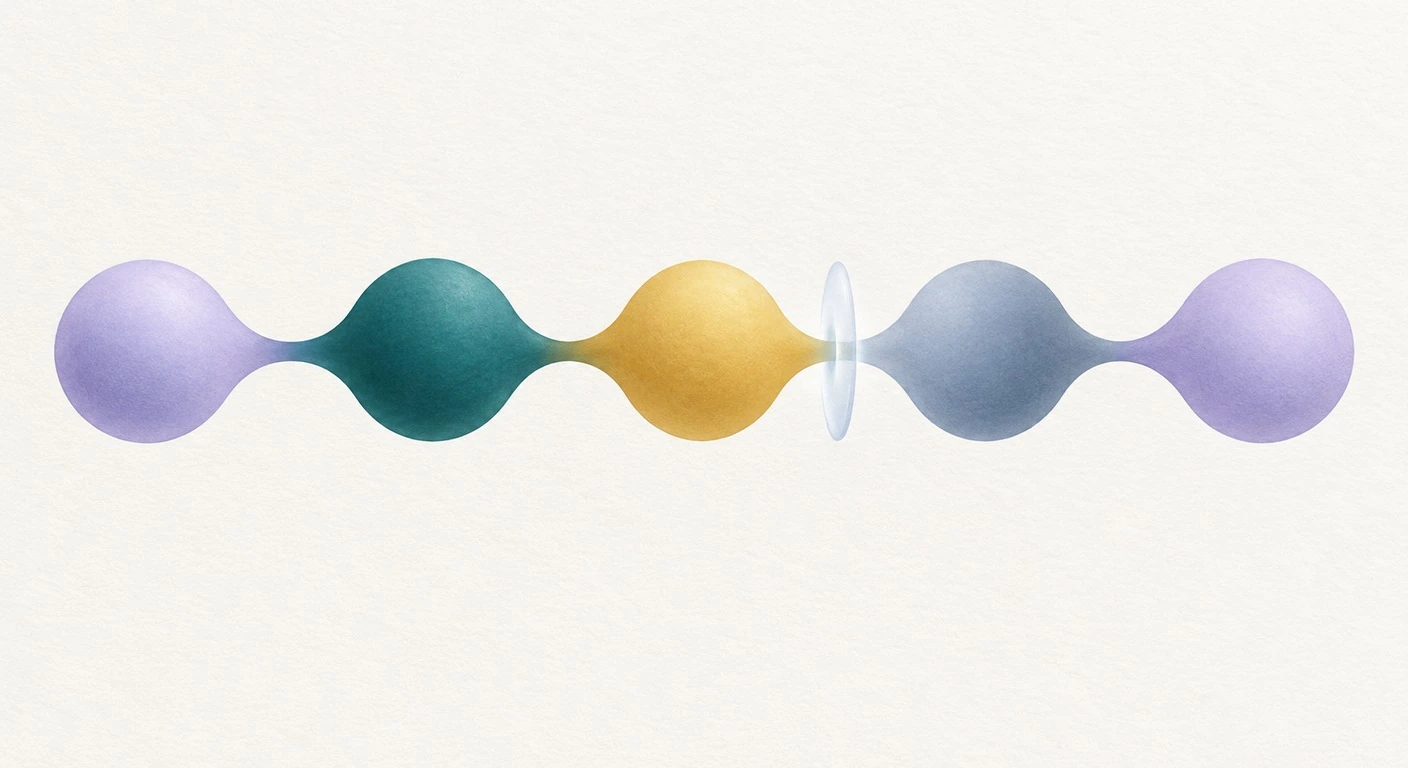
Apixaban is a factor Xa inhibitor, and that is the label’s own phrase. Factor Xa sits in the middle of the clotting cascade, the chain reaction your body runs to seal a cut. A factor Xa inhibitor interrupts one link in it. Your blood still clots when it needs to. It just clots less eagerly.
That is the practical difference from the older blood thinners that include warfarin, which works on several steps at once and needs regular blood tests. A factor Xa inhibitor acts on one target and does not need that kind of monitoring.
Warfarin is not off the table. The label describes how prescribers move from apixaban to warfarin and back, and that guidance is written for the clinician managing it.
The bleeding warning that shapes everything else
Eliquis carries a boxed warning, meaning the risk is serious enough to sit in a highlighted box at the top of the prescribing information. The Eliquis boxed warning is not about bleeding. It is about stopping.
Bleeding is the larger everyday risk, and the label states it plainly: ELIQUIS can cause serious, potentially fatal bleeding, and you should be evaluated promptly for signs of blood loss. A reversal agent exists. Protamine sulfate and vitamin K, the two things that work on warfarin, are not expected to affect apixaban.
The Medication Guide lists what to watch for. Get help right away for bleeding that is unusual or lasts a long time, gum bleeding that is not typical for you, nosebleeds that keep happening, menstrual or vaginal bleeding heavier than normal, or bleeding you cannot control. Get help for red, pink, or brown urine, red or black tarry stools, coughing up blood, or vomiting blood or material like coffee grounds. Unexpected pain or swelling, and headaches, dizziness, or weakness are on the list too.
You may bruise more easily, and bleeding may take longer than usual to stop. Both are expected on this drug rather than emergencies.
One more warning may never apply to you. Spinal or epidural blood clots, called hematomas, can occur during spinal anesthesia, an epidural procedure, or a spinal puncture. The label flags the risk when those happen alongside apixaban, an indwelling epidural catheter, other drugs that affect clotting, or prior spinal surgery. It also says the best timing between apixaban and these procedures is not known.
Other drugs that raise the bleeding risk
The biggest one is something most people keep in a kitchen drawer.
Aspirin is not a blood thinner the way apixaban is, but it keeps platelets from sticking together, and the two together add up. In the label’s report of the ARISTOTLE trial, adding aspirin to apixaban raised bleeding from 1.8% per year to 3.4% per year. The label is blunter still. APPRAISE-2 tested apixaban added to aspirin, or to aspirin plus clopidogrel, in patients who had just had a heart attack. That trial was stopped early for bleeding. Major bleeding ran 2.8% per year on apixaban with single antiplatelet therapy against 0.6% per year on placebo, and 5.9% against 2.5% with dual antiplatelet therapy.
That does not mean you should never take both. Plenty of people on apixaban for atrial fibrillation take low-dose aspirin on purpose. It does mean the combination should never be something you arrive at on your own.
Beyond aspirin, the label names the drugs that affect hemostasis and raise bleeding risk alongside apixaban. Other antiplatelet agents. Other anticoagulants. Heparin and anything containing it. Thrombolytic agents. Selective serotonin reuptake inhibitors, the SSRIs, and serotonin norepinephrine reuptake inhibitors, the SNRIs. Those last two surprise people, because they are common antidepressants sold as nothing of the sort.
Then there are NSAIDs, and this is the one worth flagging hardest. The label points at long-term use, and long-term NSAID use is common in adults over fifty with knee pain, back pain, or gout. NSAIDs include ibuprofen and naproxen, which sit on the same shelf as headache medicine and get bought with no thought of a blood thinner. If you take one for aches on days you also take apixaban, that belongs in a conversation with your doctor or pharmacist.
Drugs that change how apixaban works
Bleeding is the risk you feel. A second set of interactions works quietly, because it does not add bleeding. It changes how much apixaban is in your blood.
The label says apixaban is handled by an enzyme called CYP3A4 and a transporter called P-gp. Drugs that block both raise the amount of apixaban in your system and with it the bleeding risk. The label names ketoconazole, itraconazole, and ritonavir as examples.
The mirror image is the one to watch. Drugs that push both systems into overdrive push apixaban levels down, and low levels mean clots. The label says to avoid combining apixaban with combined P-gp and strong CYP3A4 inducers, and names rifampin, carbamazepine, phenytoin, and St. John’s wort. St. John’s wort sneaks up on people. It sits on the shelf next to the vitamins, and nobody mentions it when a blood thinner gets filled.
Before your next refill, tell the pharmacist everything, including the supplements and the pain reliever.
Why you should never stop apixaban or swap brands on your own
The boxed warning is about exactly this, and the label’s words are worth reading. Premature discontinuation of any oral anticoagulant, including Eliquis, increases the risk of thrombotic events. The clot you were taking the drug to prevent is still waiting there without it.
There is a measured reason to be careful about the transition. In clinical trials in atrial fibrillation patients, an increased rate of stroke was observed during the transition from Eliquis to warfarin, and that happened in people whose clinicians were managing the switch. It is a strong argument for never doing it yourself.
The label does allow for stopping in specific situations. If anticoagulation is discontinued for any reason other than pathological bleeding or the completion of a course of therapy, the instruction is to consider coverage with another anticoagulant. So the drug does not simply stop. Your doctor has a plan for the gap, and the gap is the dangerous part.
Brand switching is worth naming too. Going from Eliquis to an unbranded apixaban is not a change of molecule, because it is the same molecule. Switching to a different molecule is a real change, and the label treats switches to and from warfarin, and to other oral or parenteral anticoagulants, as specific clinical procedures. Have your doctor or pharmacist make the change and tell you exactly when to take the first replacement dose.
Surgery and dental work follow the same rule. Ask the prescriber when to stop and when to start again. The Medication Guide says the drug may need to be stopped before a procedure, and that they may prescribe something else to cover you if you do stop. Your dentist needs to know, and so does anyone touching your spine.
What to do when you see apixaban on a label

Four moves, in the order you would actually make them.
- Read both names and the strength. The prescribing information covers 2.5 mg and 5 mg tablets, and the label is where the strength lives. Do not eyeball it from across the counter.
- Ask your pharmacist to confirm it is the same medicine you take. Have them match the package against your prescription using the NDC number. That one question covers whether it is apixaban, whether the strength is right, and whether it is an unbranded version of your usual.
- Give the pharmacist your complete list. Aspirin, ibuprofen, supplements. This is where CYP3A4 and P-gp problems get caught, and it takes under a minute.
- Never adjust the schedule yourself. Skipped doses, stopping, switching molecules, and pausing for a procedure are all prescriber decisions. Read the instructions that come with your specific product and follow those, or call and ask.
One habit pays off more than the rest. Keep a current medication list in your phone or on a card in your wallet, with the dose next to each name. In an emergency, at a new doctor’s office, or when a refill gets denied, that list turns a scramble into a thirty-second answer. Write apixaban or Eliquis on it. Either identifies the same medicine to a pharmacist.
Frequently asked questions
What is the generic name for Eliquis?
Apixaban, pronounced a-PIX-a-ban. Eliquis is the brand name that Bristol Myers Squibb and Pfizer market, and apixaban is the generic name for the molecule. Both appear together on the label.
Is apixaban the same thing as Eliquis?
Yes. The Eliquis tablets are apixaban, and the prescribing information is titled “ELIQUIS (apixaban) tablets.” A bottle labeled apixaban with no brand is the generic version of the same medicine.
Is Eliquis a blood thinner?
Yes, an anticoagulant. It does not thin your blood in the sense of making it watery. It slows one specific step in the chain reaction that forms a clot.
What does Eliquis treat?
In adults, reducing stroke and systemic embolism risk in nonvalvular atrial fibrillation, preventing deep vein thrombosis after hip or knee replacement, treating DVT and pulmonary embolism, and reducing the chance those clots return. Current labeling also includes children from birth and older after at least five days of another anticoagulant.
Why does aspirin matter so much here?
It adds to the bleeding risk. The label reports that adding aspirin in the ARISTOTLE trial raised bleeding on apixaban from 1.8% per year to 3.4% per year. Many people still take both deliberately, but that combination needs to be your doctor’s decision.
Can I take ibuprofen or naproxen with Eliquis?
Tell your doctor or pharmacist first, and do not start them on your own. The label names NSAIDs among the drugs whose use alongside apixaban increases bleeding risk, and long-term use is the pattern it points at. Ask what else you can take.
What should I do if I miss a dose?
Read the instructions that come with your specific product and follow them, or call your pharmacist to ask. Do not guess, and do not double a dose up on your own initiative.
Is it dangerous to stop taking Eliquis?
Yes, and it is the reason for the boxed warning. Stopping early raises the risk of blood clots, and trials saw more strokes during the switch from Eliquis to warfarin. Never stop on your own, and expect your doctor to cover you with something else if the drug has to be paused.
What to remember
Eliquis is the brand, apixaban is the generic, and either name identifies the same medicine to a pharmacist. It is a factor Xa inhibitor, approved to reduce stroke risk in nonvalvular atrial fibrillation, to prevent clots after hip or knee replacement, to treat DVT and PE, to stop those clots coming back, and in current labeling for children after an initial course of anticoagulation. Its serious risks are bleeding, made worse by aspirin, NSAIDs, other blood thinners, and some antidepressants, and clots that form when it is stopped too early. That is why the boxed warning is about stopping and not about bleeding.
Check the label, confirm it with your pharmacist, keep a written medication list, and let your own doctor or pharmacist make any change. They know your history and your other medicines.